Industries
Tailored container tracking for every industry
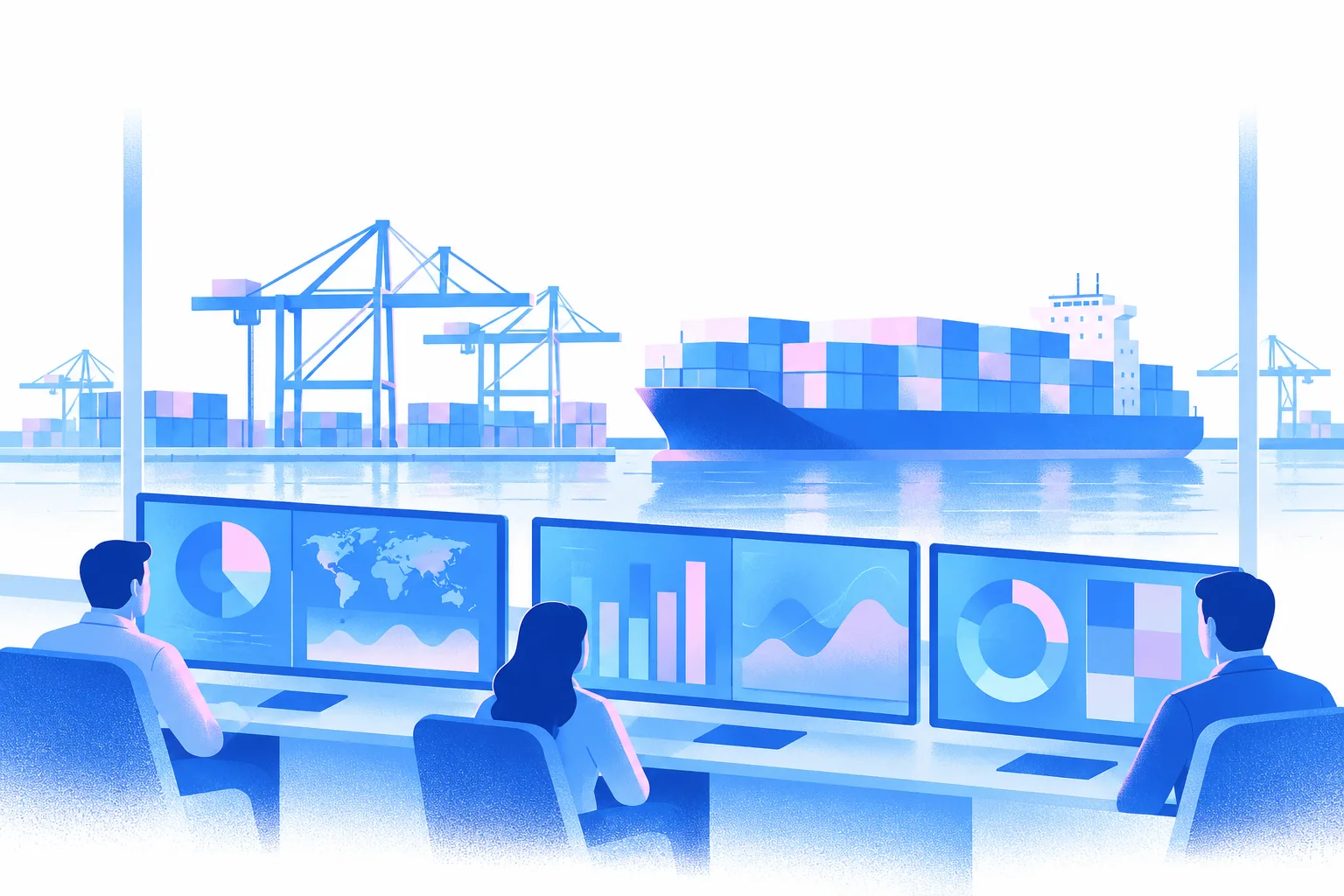
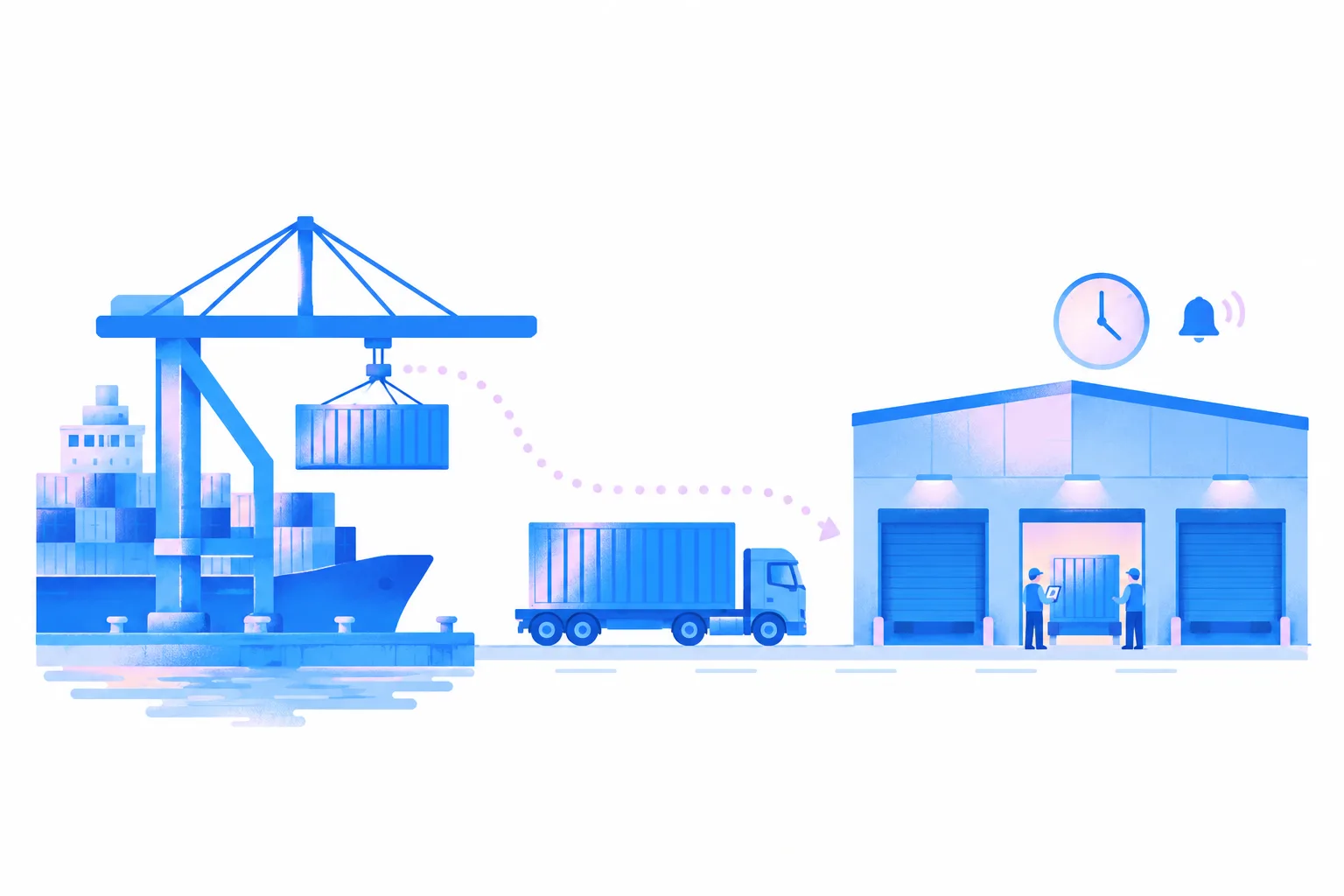
Whether you forward freight, run a warehouse, import and export, ship reefers or move chemicals, Dockflow tracks your containers across 120+ ocean carriers, keeps every status always up to date and monitors free time with alerts before charges hit.
Frequently asked questions about Dockflow by industry
Which industries benefit the most from Dockflow?
Dockflow is built for companies whose logistics runs on ocean containers: freight forwarders, warehouses, importers and exporters, reefer and cold chain shippers, and chemical companies. Each gets the same platform: containers tracked across 120+ ocean carriers, status always up to date, free-time alerts before charges hit and AI predictions for arrival, berthing and unloading. Pick your industry above to see how it works.
How does Dockflow cater to industry-specific logistics needs?
Custom views show the containers and fields your team needs, and no-code automations flag what needs attention: a discharged container for a warehouse, a temperature reading that crosses your threshold for a reefer, a changed ETA for a forwarder. Where the shipping line shares reefer data or a tracker is fitted, humidity shows next to temperature. Forwarders can add a white-label customer portal for their clients.
Can Dockflow integrate with existing systems in my industry?
Yes. Dockflow sits beside your TMS or FMS, where bookings, rates and dossiers stay. The Trident API, including free-time calculation, feeds that data into your TMS, so container status shows up in the systems your team already uses. For reefer cargo, TrakAssure and LoRaWAN IoT sensors report temperature into Dockflow, next to each container’s tracking status. Details are in the API documentation.
Does Dockflow support temperature-sensitive shipments for the cold chain industry?
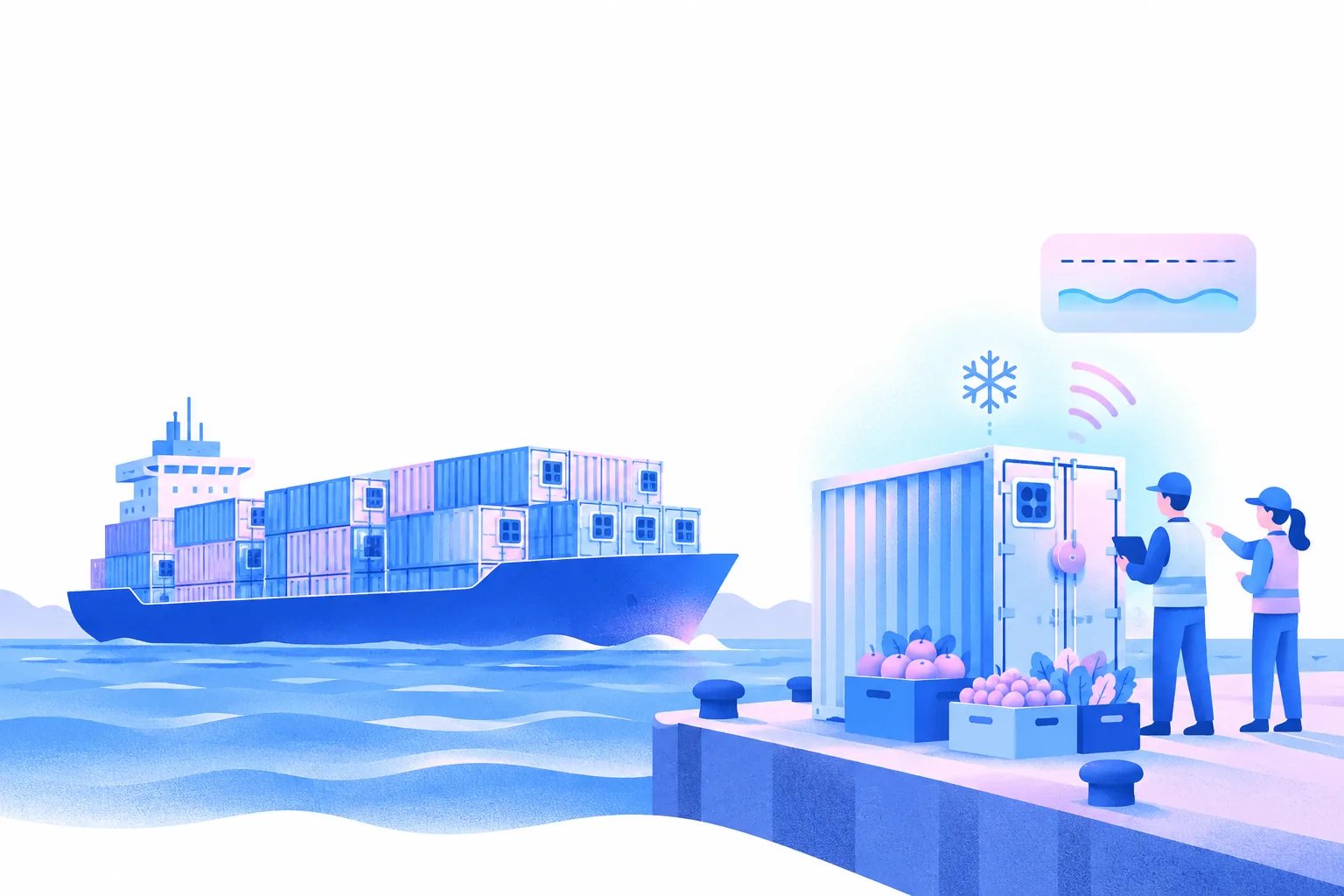
Yes. TrakAssure and LoRaWAN IoT sensors report the temperature of your reefer containers, and you get an alert when a reading crosses your threshold. Where the shipping line shares reefer data or a tracker is fitted, humidity shows next to temperature. Each container also shows its location and status, AI predictions for arrival, berthing and unloading, and free-time alerts. More on reefer and cold chain.
How does Dockflow enhance operational efficiency for chemical logistics?
Dockflow tracks chemical shipments container by container across 120+ ocean carriers and keeps each status always up to date. Alerts tell your team about delays and milestones, so you can act before a disruption escalates. For temperature-sensitive chemicals, IoT sensors add the temperature, with an alert when a reading crosses your threshold. More on chemicals.
Is Dockflow compatible with global import/export operations?
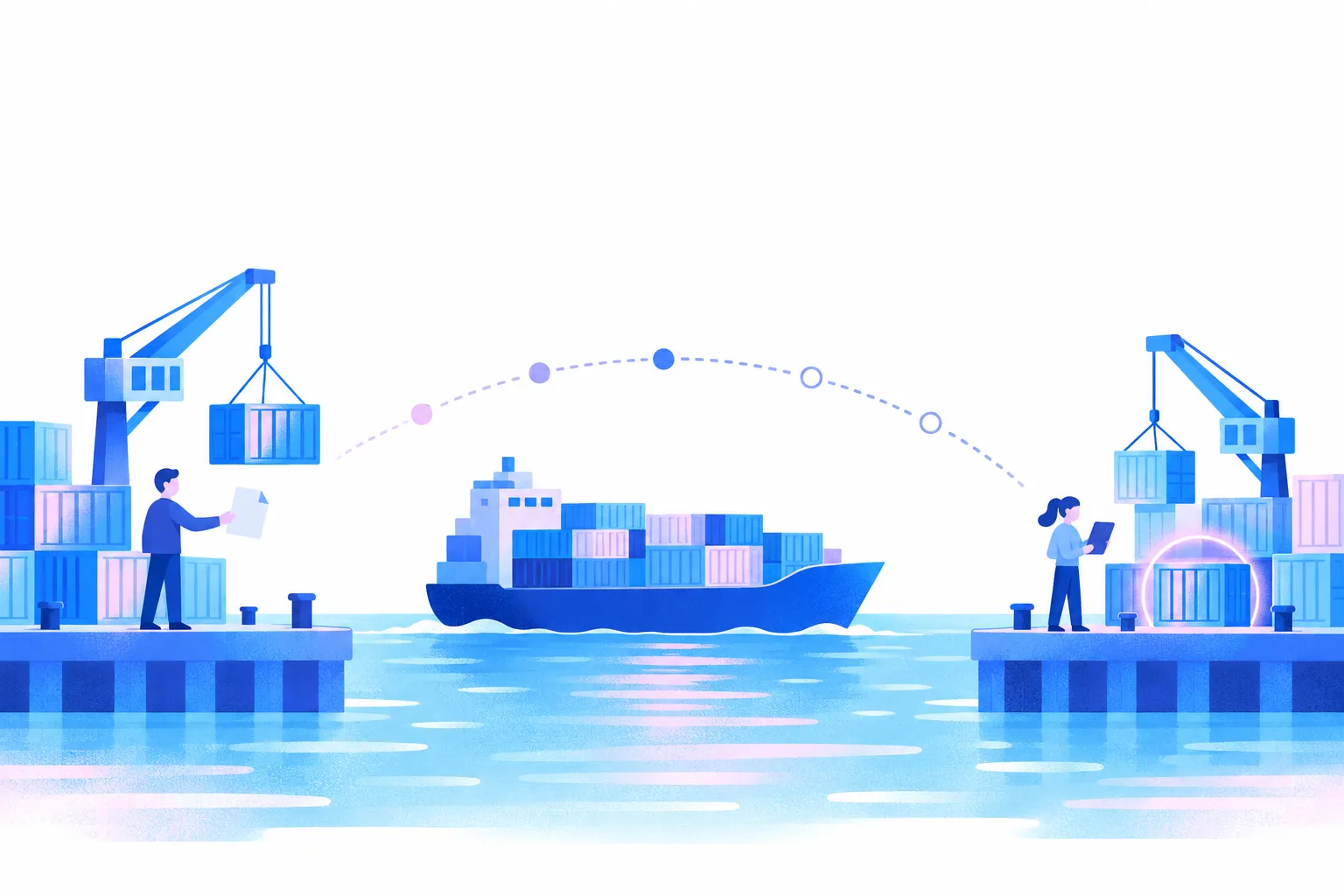
Yes. Dockflow tracks import and export containers across 120+ ocean carriers, including long-tail lines. In Rotterdam it shows arrival, customs and gate-out status per bill of lading through Portbase; in Antwerp, release status through NxtPort Certified Pickup and T-Mining. You can upload documents such as bills of lading to a shipment and share them with the partners on it. More on import and export.
Can Dockflow calculate the CO2 emissions of my shipments?
Yes. RealCalc calculates CO2 on the GLEC framework, using the actual routes sailed, so each container gets an emissions figure based on how it really travelled. AIS vessel positions show the route the vessel took, and Dockflow keeps the result per container, next to the rest of your shipment data. More on CO2 emissions.
What are the key features Dockflow offers for freight forwarders?
Dockflow tracks your containers across 120+ ocean carriers and keeps every status always up to date. Free-time monitoring alerts you before charges hit, and no-code automations flag delays and milestones. For reefers, IoT sensors report the temperature. Where the shipping line shares reefer data or a tracker is fitted, humidity shows next to temperature. Your clients follow their shipments in a white-label customer portal. More on freight forwarding.
Can Dockflow improve collaboration between supply chain partners across industries?
Yes, Dockflow improves collaboration by centralizing data sharing, shipment tracking and document exchange. Container status stays always up to date and tailored alerts keep all stakeholders informed. Forwarders can give their clients a white-label customer portal, under their own brand, and documents such as bills of lading are shared with the partners on a shipment. This fosters transparency and stronger partnerships across industries.

Book a demo & our team will be in touch shortly.