Platform
Empowering global shipping with innovative technology
Join the movement to build the world’s first LogOps platform
Our platform features
-
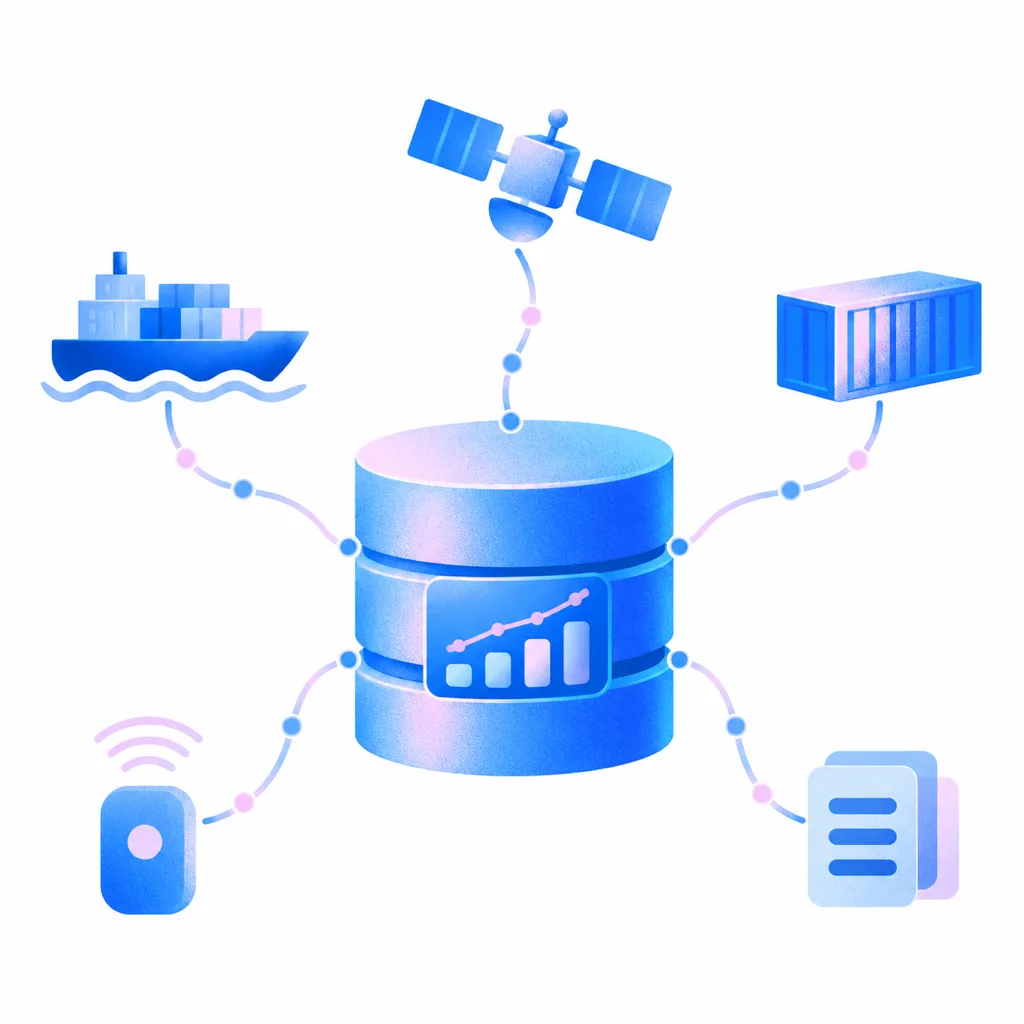
Container visibility
Unlock complete container visibility
Add your containers once. Dockflow tracks them across 120+ ocean carriers and keeps every container’s location and status always up to date, in one view.
Explore -
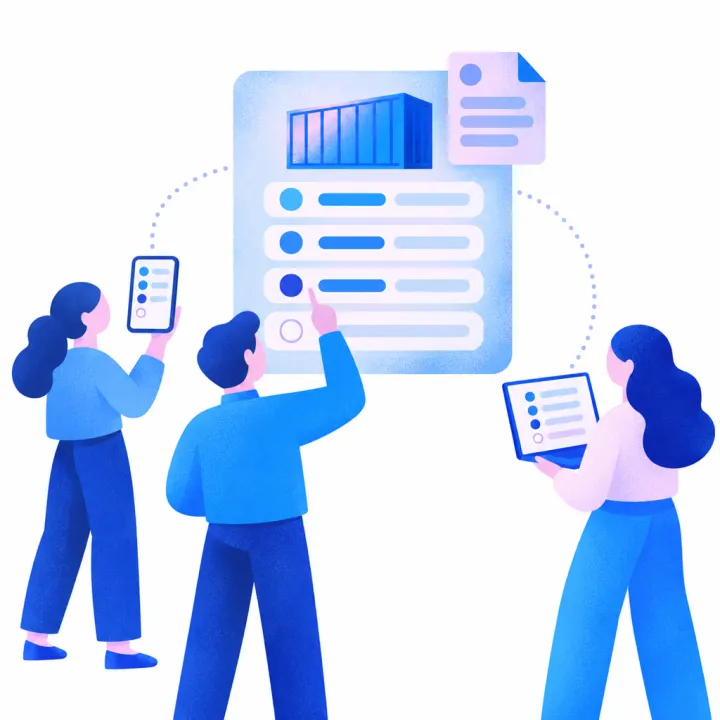
Customer portal
Coordinate with partners and elevate your brand
Give your clients a white-label customer portal, under your brand. They follow their shipments, always up to date, and your team answers fewer emails and calls.
Explore -
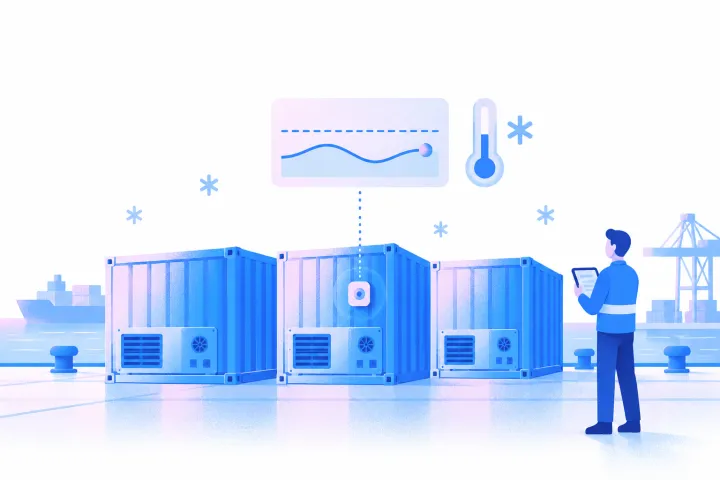
Temperature & humidity tracking
Temperature and humidity tracking for sensitive shipments
Dockflow reads the temperature from your IoT sensors and shows it next to each container’s tracking status, always up to date, with an alert when a reading crosses your threshold.
Explore -
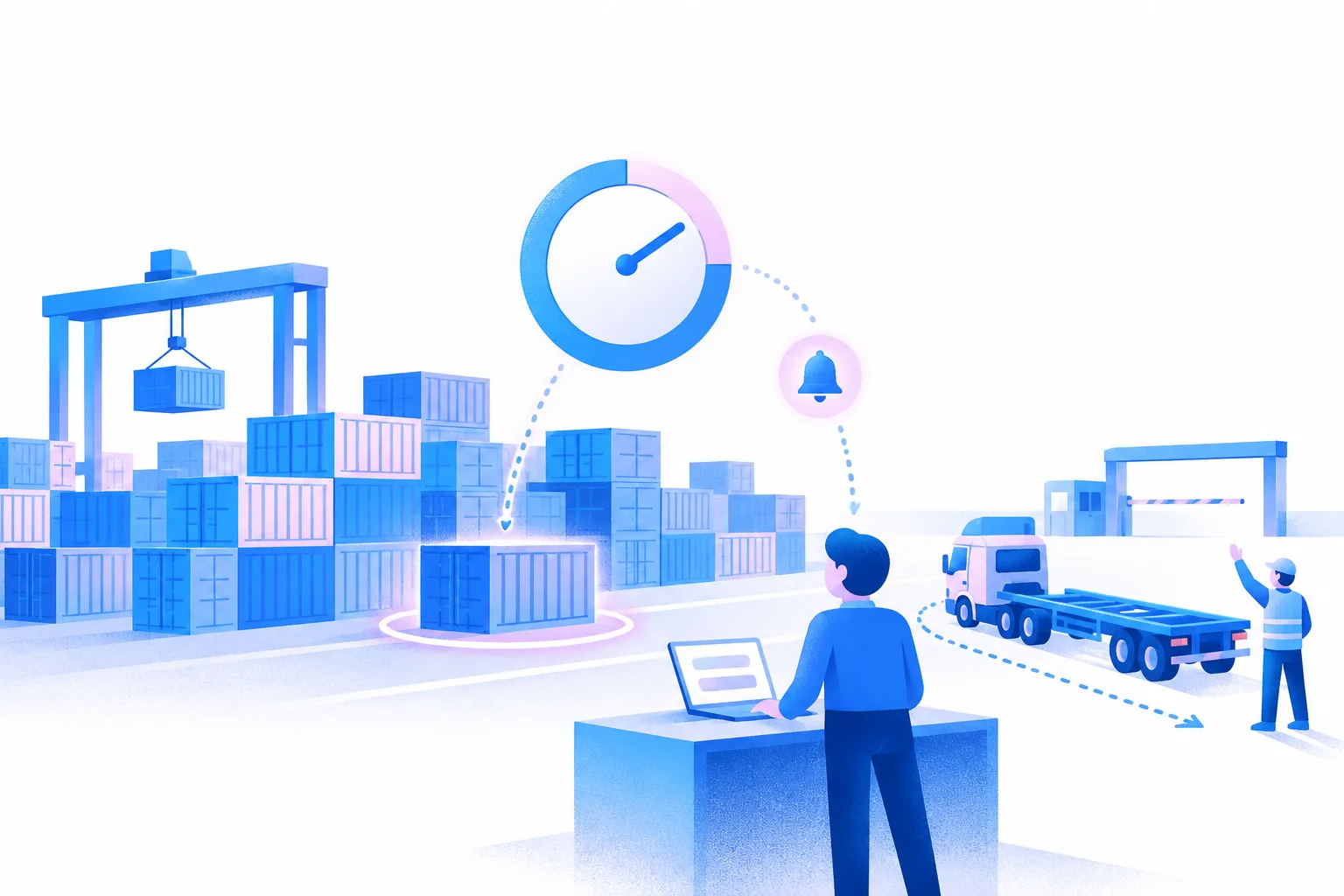
Demurrage tracking
Know when free time runs out, before charges hit
Dockflow gives you free-time monitoring with alerts before charges hit. Every container you track shows its status and free time, always up to date, so your team can plan pick-up before demurrage starts.
Explore -
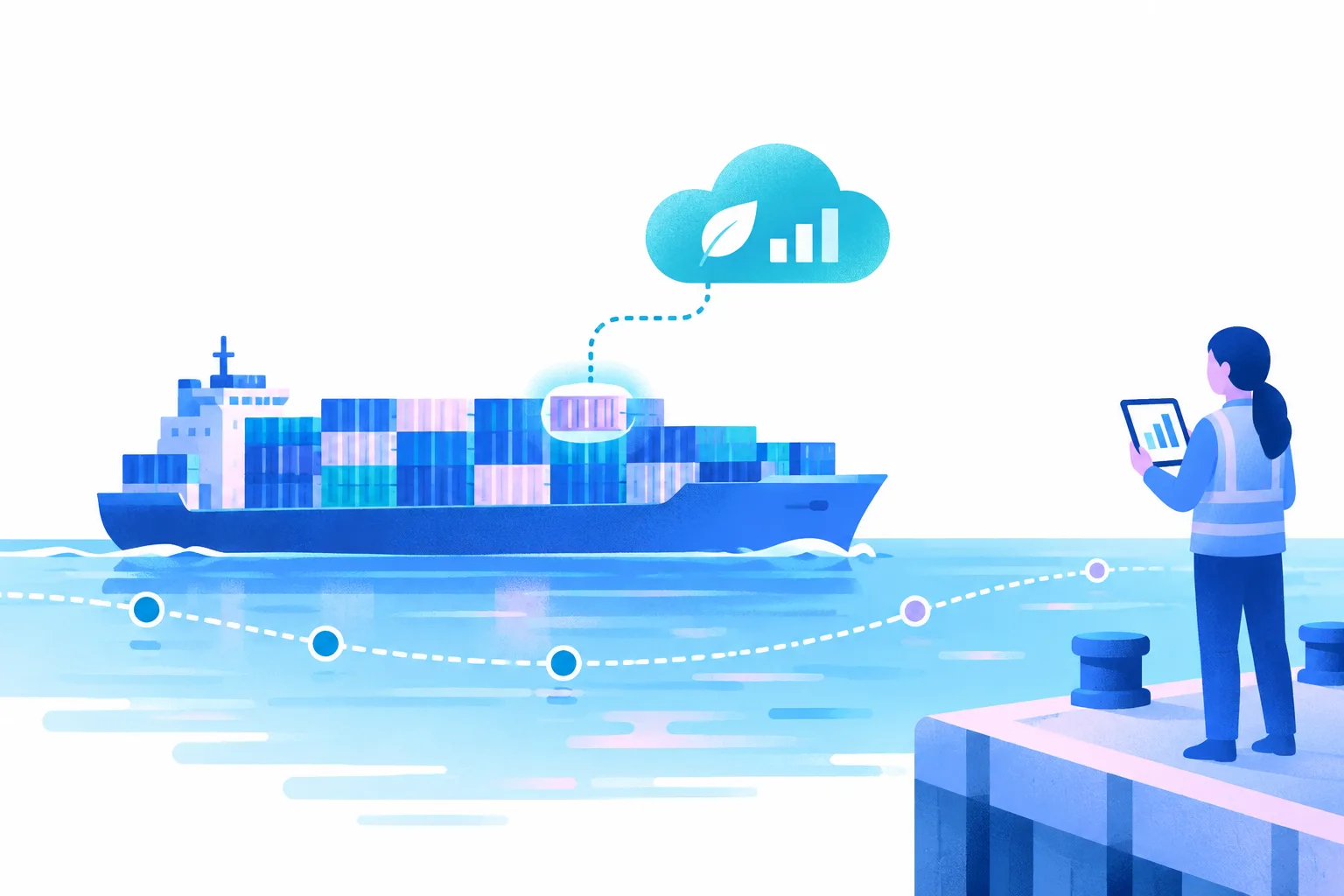
CO2 emissions
Know the CO2 of every container you ship
RealCalc calculates CO2 on the GLEC framework, using the actual routes sailed, for the containers you track in Dockflow.
Explore -
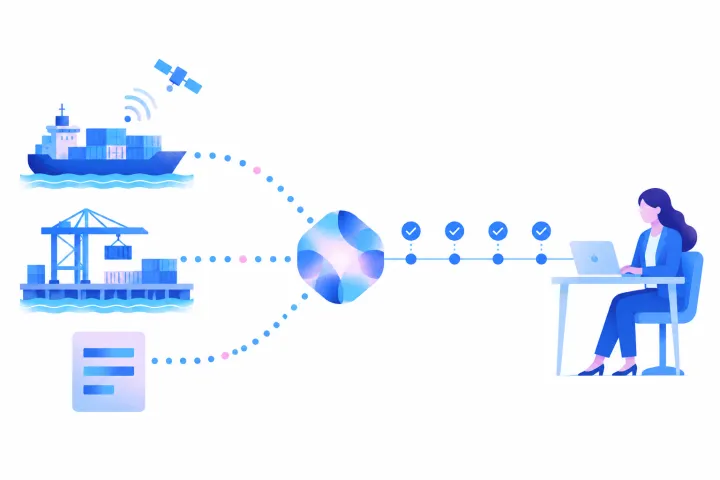
Data quality
Empowering data quality with GraphTP
Dockflow checks what carriers, terminals and AIS report for each container and resolves the conflicts between them with GraphTP, so your team works from one status per container, always up to date.
Explore -
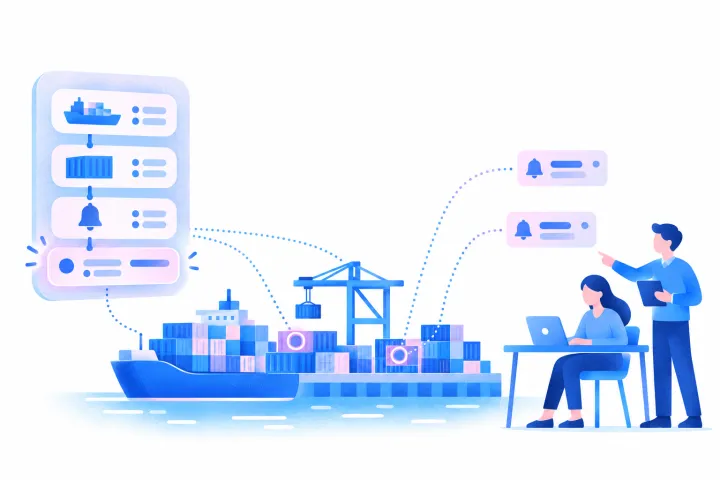
Automation
Automate the mundane, focus on what matters
Build alerts and workflows once in Dockflow’s no-code automation builder. Dockflow flags the containers that need attention and tells the right people, so your team stops checking every shipment by hand.
Explore -
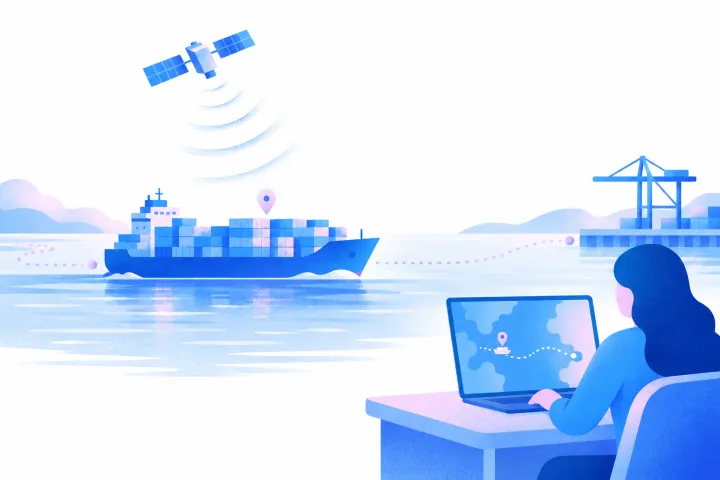
GPS Tracking
Empower your logistics operations with GPS and AI insights
See where every container is, always up to date. Fit a location tracker to a container and its position shows in Dockflow, on truck, barge and rail legs too. At sea, AIS vessel positions follow the ship, and terminal data confirms arrival and discharge.
Explore
Frequently asked questions about the platform
What does it mean to be a LogOps platform, and how does that differ from a standard visibility tool?
A standard visibility tool simply shows you where a container is. Dockflow, the world’s first LogOps platform, helps you act on that information. It tracks containers across 120+ ocean carriers, always up to date, and adds no-code automations, a white-label customer portal, free-time monitoring with alerts before charges hit, and CO2 per container. That removes data silos, manual follow-ups and data entry, all from a single source of truth.
Can the Dockflow supply chain visibility platform track our containers throughout their entire journey, including any land-based transport after discharge from the vessel?
Dockflow focuses on ocean containers: the sea leg of a container’s journey. It tracks containers across 120+ ocean carriers, including long-tail lines, and combines carrier data with AIS vessel positions, terminal data and Portbase. In Rotterdam that includes arrival, customs and gate-out status per bill of lading; in Antwerp, release status. More on container visibility and GPS tracking.
In what ways can we automate workflows and set up custom alerts for critical shipment events?
Dockflow has a no-code automation builder that lets you configure your own workflows. You can set up alerts for critical events in the shipping cycle, such as ETA changes, container discharge, gate-out or free time that is about to run out, and share them with your team or partners. For reefers with IoT sensors, you get an alert when a temperature reading crosses your threshold. More on no-code automations and temperature tracking.
Can the customer portal be fully customized with our company’s branding?
Yes. The Customer Portal can be fully customized with your company’s branding. You can tailor the portal with your logo and corporate colors, creating a professional experience for your clients: a white-label customer portal, under your brand, where they follow their shipments, always up to date, without calling or emailing your team.
In what specific ways does the platform improve collaboration and communication between our team, our clients, and our supply chain partners?
Dockflow gives everyone on a shipment, such as consignees, agents, shippers and warehouses, access to the same shipment data, always up to date. The Customer Portal replaces manual email and phone updates with one place for tracking, documents and alerts. Upload documents such as bills of lading to a shipment and share them with the partners on it. That transparency reduces miscommunication and keeps all parties aligned.
How does Dockflow integrate with our TMS or other management systems?
Dockflow sits beside your TMS or FMS, where bookings, rates and dossiers stay. The Trident API, including free-time calculation, feeds Dockflow’s shipment data into your TMS, so container status and ETAs show up in the systems your team already uses. Through the API, Dockflow can also provide the data stream your other systems need. Details are in the API documentation.
How does the platform directly support our company’s broader ESG (Environmental, Social, and Governance) goals?
Dockflow supports your ESG goals through RealCalc, its carbon emissions tracking technology. RealCalc calculates CO2 on the GLEC framework, using the actual routes sailed, for the containers you track in Dockflow. That lets you measure the environmental impact of your ocean shipments per container and identify opportunities to decarbonize your logistics operations. More on CO2 emissions.
How does the platform actively validate and clean incoming data to prevent decisions from being made on inaccurate or outdated information?
Data integrity is core to the platform. Dockflow cross-references each container’s events across carrier data, terminal data and AIS vessel positions. AIS vessel positions confirm vessel departures and arrivals, and terminal data corrects carrier data that is out of date. GraphTP, Dockflow’s data-conflict-resolution algorithm, resolves the conflicts that remain, so your team sees one status per milestone. More on data quality.
How does the platform help a logistics manager oversee dozens of shipments and their exceptions?
Dockflow brings all shipment data into one dashboard, so nobody has to track containers across carrier websites one by one. No-code automations alert your team when something changes, such as an ETA that moves or a container that is discharged, so they can take corrective action and inform stakeholders early. The customer portal handles routine client questions, which frees the manager to focus on the exceptions.
Is the platform built for our size, and what does ongoing support look like?
Dockflow is built to scale with you: enter one-off shipments manually, import many at once with the Excel template, or automate the data transfer through the Dockflow API. Customers can be live in under 24 hours; Dockflow also offers guided training and implementation, followed by ongoing support. The Dockflow platform is under constant development. Answers to common questions are in the Dockflow knowledge base.

Book a demo & our team will be in touch shortly.