Proactive ETA management
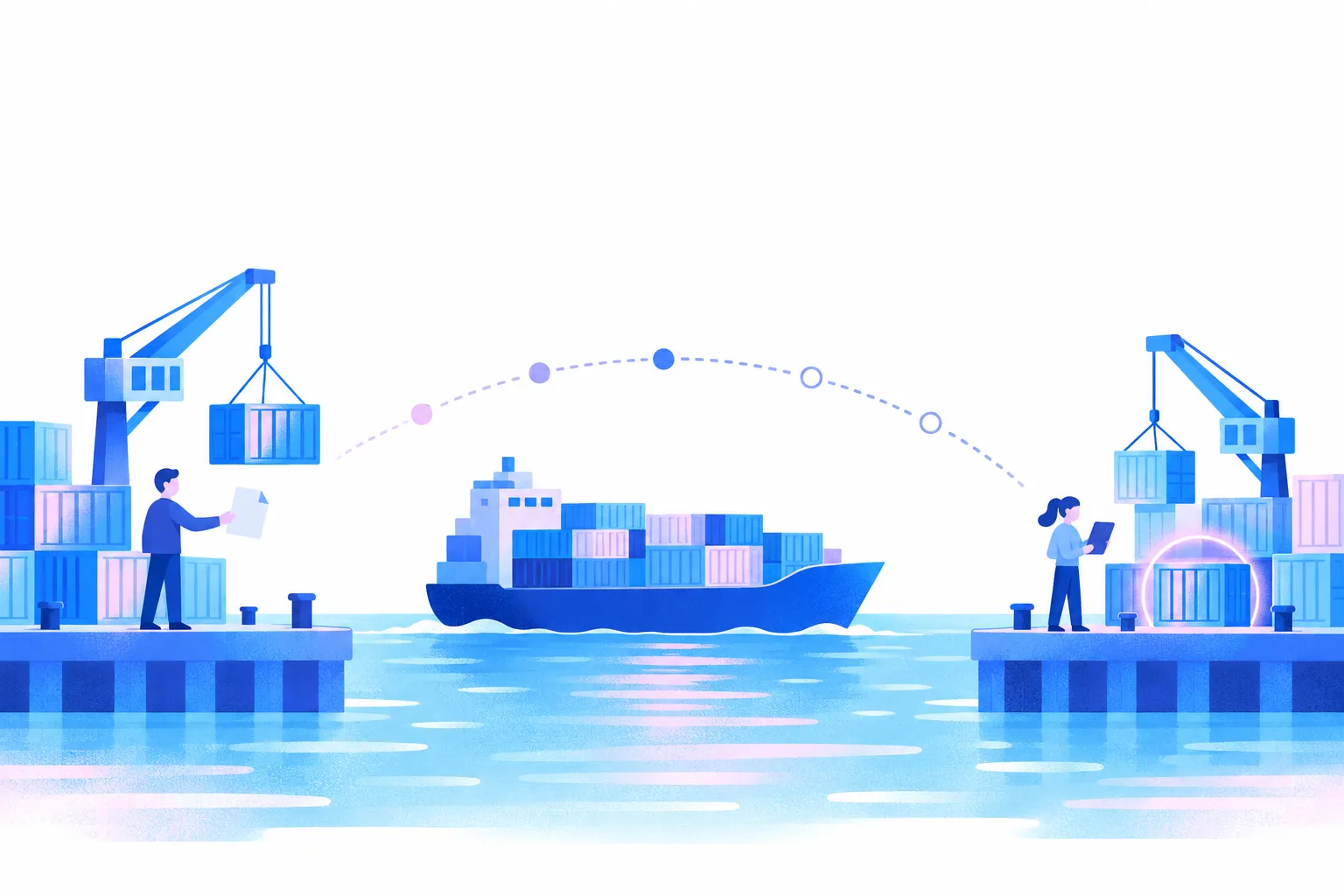
Receive timely ETA updates, with AI predictions for arrival, berthing and unloading, and plan the next step of your imports and exports before delays build up.
Dockflow keeps every container’s status always up to date, so you know when your container is discharged and can act before a delay holds up your import or export. Suppliers, customs agents and logistics teams follow the same shipment with you.
“Our growth and success heavily depend on the scalability of our operations; efficiency and effectiveness are considered key competitive factors. Dockflow plays a critical role by creating a long-term solution for our business needs.”
 Jay Opyrchal, Director Logistics & Operations, ArdoVLM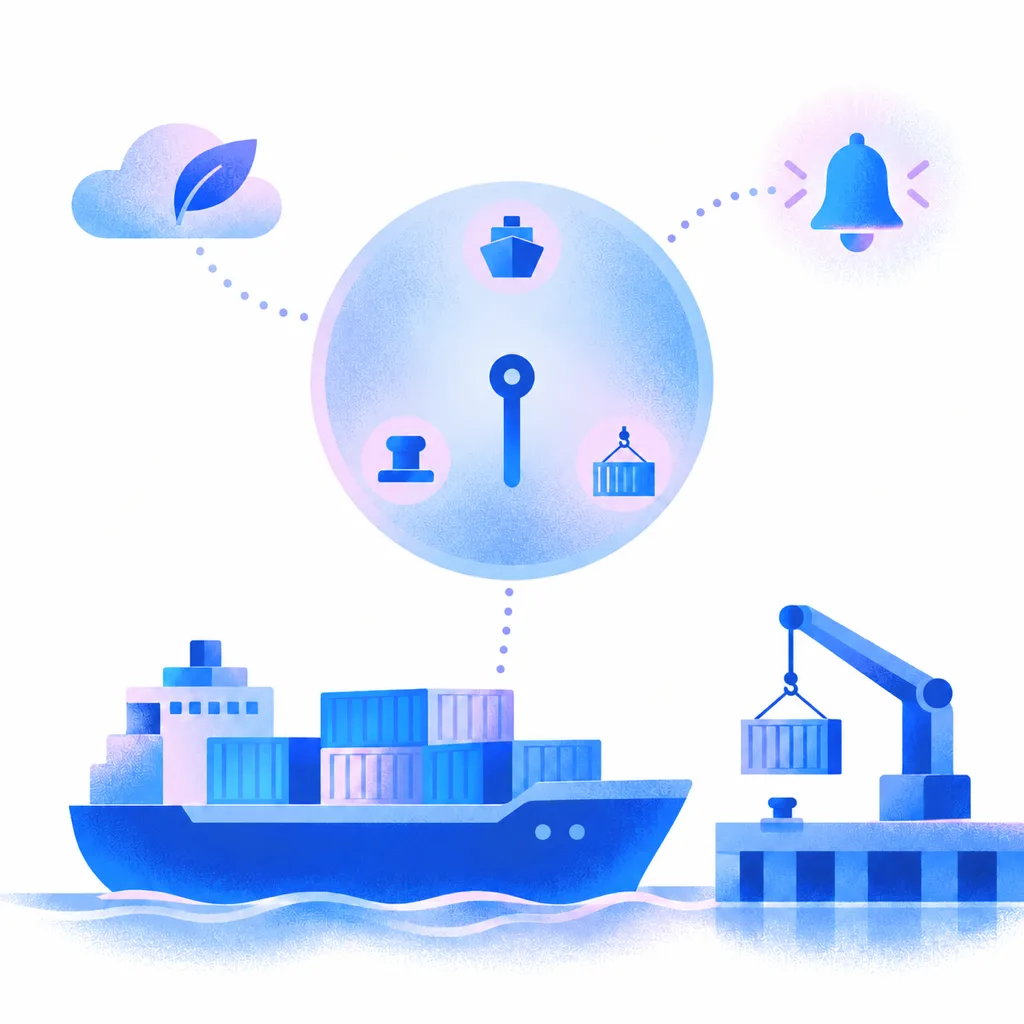
Receive timely ETA updates, with AI predictions for arrival, berthing and unloading, and plan the next step of your imports and exports before delays build up.
Set personalized notifications for key shipment events, ensuring you’re always informed and ready to act.
RealCalc calculates CO2 on the GLEC framework, using the actual routes sailed, for the containers you track in Dockflow.
Export any dashboard view to Excel with the columns you picked, or schedule it to land in your inbox every week.
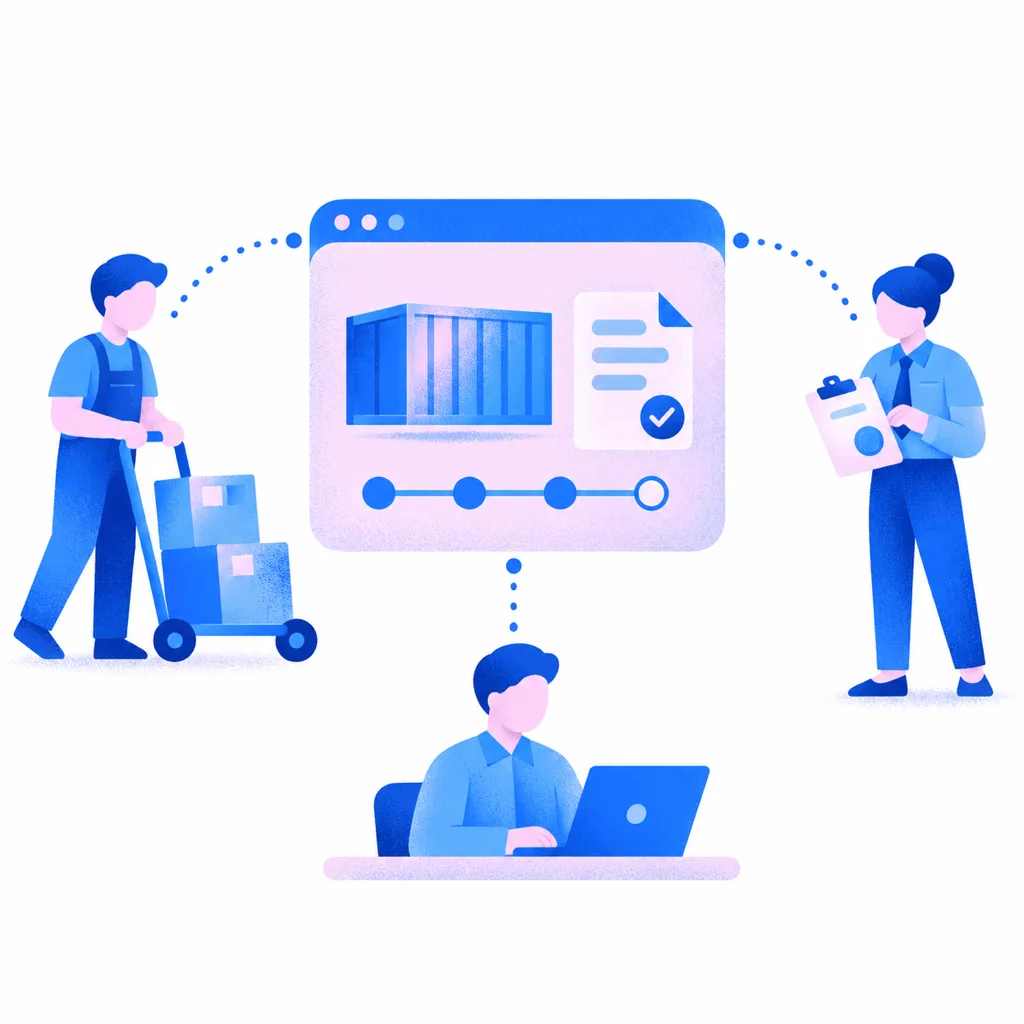
Easily collaborate with suppliers, customs agents, and logistics teams to ensure timely imports and exports.
Easily manage relationships with suppliers, carriers, and logistics partners, ensuring timely communication and smoother import-export workflows.
As shipment volumes grow and your trade network adds lanes, carriers and partners, Dockflow scales with your complexity. Your team keeps one view of every container instead of more carrier websites to check.
Dockflow is an official Portbase software supplier. In Rotterdam it shows arrival, customs and gate-out status per bill of lading through Portbase Cargo Controller Import; in Antwerp, release status through NxtPort Certified Pickup and T-Mining.
Upload documents such as bills of lading to a shipment and share them with the partners on it, so your customs agent works from the same files as your team.
Dockflow
Console
Antwerp office
Integrations
Execution logs
Integration
Status
Coverage
Last run
Actions
Portbase Cargo Controller (Rotterdam)
Container tracking via Portbase Cargo Controller API
Active
NLRTM, NLVLI
2m ago
Credentials
NxtPort CPu Green Light (Antwerp-Bruges)
Green light status via NxtPort Certified Pickup
Active
BEANR, BEZEE
6m ago
Credentials
T-Mining Secure Container Release (Antwerp)
Release status via T-Mining Secure Container Release
Active
BEANR
4m ago
Credentials
ECT MyTerminal (Rotterdam)
Terminal tracking for ECT Rotterdam via MyTerminal
Available
NLRTM
–
Enable
PSA Antwerp (E-Portal)
Terminal tracking for PSA Antwerp via E-Portal
Active
BEANR
8m ago
Credentials
MPET Connect (Antwerp)
Terminal tracking for MPET via MPET Connect
Active
BEANR
1m ago
Credentials
DP World Antwerp (E-Portal)
Terminal tracking for DP World Antwerp via E-Portal
Available
BEANR
–
Enable
Our tracking feature grants full transparency, always up to date, helping you to take immediate action in case of any import-export disruptions.
Follow each container from the vessel to gate-out at the terminal. Carrier data is combined with AIS vessel positions, terminal data and Portbase, so your team works from one status instead of several.
Anticipate delays and make proactive decisions that keep your import-export operations running smoothly.
Dockflow gives you tracking that is always up to date and one place for your shipment data. Carrier data is combined with AIS vessel positions, terminal data and Portbase, so you see locations, statuses and key milestones together. That visibility lets you anticipate delays, coordinate with partners and keep cross-border logistics running smoothly. More on container visibility.
Look for tracking that is always up to date, customizable alerts for key milestones, document sharing on each shipment, and a link to the systems you already use. Dockflow covers all four: 120+ ocean carriers, no-code automations, documents shared with the partners on a shipment, and the Trident API, which feeds container status and free-time calculation into your TMS or FMS. Details are in the API documentation.
Managing international shipments involves tracking cargo across many carriers and ports and maintaining clear communication with global partners. Delays at ports, unexpected costs like demurrage fees, and a lack of up-to-date visibility further complicate operations. Dockflow addresses these challenges by providing centralized data, proactive alerts, and coordination tools, enabling businesses to overcome these hurdles efficiently.
Yes. Upload documents such as bills of lading to a shipment and share them with the partners on it, so suppliers, customs agents and logistics teams work from the same files. Digital documents replace manual paperwork and reduce the risk of errors. Customs status itself comes from the port: in Rotterdam per bill of lading through Portbase, in Antwerp as release status.
Dockflow adds AI predictions for arrival, berthing and unloading to the containers you track. With those predictions next to container statuses and free-time monitoring, you can anticipate delays and plan trucks, warehouse slots and staff around the moment cargo becomes available. Tailored alerts flag key milestones, so your team acts on the exceptions instead of checking every shipment.
Dockflow’s alerts keep import/export operations on track with timely updates on shipment statuses and container movements. Containers arriving in Rotterdam and Antwerp also show customs status per bill of lading from Portbase and release status from NxtPort Certified Pickup and T-Mining. That lets you address potential delays early, such as coordinating with partners to resolve bottlenecks or adjusting schedules to meet tight deadlines.
Dockflow gives consignees, agents and shippers one place to follow shipment data that is always up to date and to share documents. Tailored notifications and shared visibility keep all parties informed and aligned, which reduces delays and miscommunication. Forwarders can offer this through a white-label customer portal, under their own brand. More on the customer portal.
Dockflow helps you act before charges hit. It offers free-time monitoring with alerts before charges hit: each container shows its status and free time, always up to date, and automated alerts flag approaching deadlines and delays. Your team can plan pick-up before free time runs out instead of finding out from the invoice. More on demurrage tracking.
Dockflow uses RealCalc, which calculates CO2 on the GLEC framework, using the actual routes sailed. You get emissions data for the containers you track in Dockflow, so your import/export team can follow the carbon footprint of its shipments and work towards its sustainability goals, without a separate calculation per voyage.
TrakAssure and LoRaWAN IoT sensors report the temperature of your reefer containers into Dockflow. Where the shipping line shares reefer data or a tracker is fitted, humidity shows next to temperature. You set a threshold and get an alert when a reading crosses it, so your team can follow up on a deviation straight away and protect sensitive shipments. More on temperature tracking.

Book a demo & our team will be in touch shortly.